Home Assistant Connect ZWA-2 is a Z-Wave adapter that connects to your Home Assistant hub via USB. It allows Home Assistant to build a Z-Wave network via the included Z-Wave integration.
Important:
Home Assistant Connect ZWA-2 is not a standalone product.
- It was designed to run with Home Assistant running on a smart home hub (such as Home Assistant Green) and the Z-Wave JS add-on.
- You can run it without Home Assistant, in this case extra steps are required.
- One or more Z-Wave devices, such as switches, dimmers, or locks.
- Optional: Home Assistant Companion app installed on your smart phone.
- Note: the app does not run Home Assistant. It connects to your existing Home Assistant instance, allowing you to interact with it remotely.
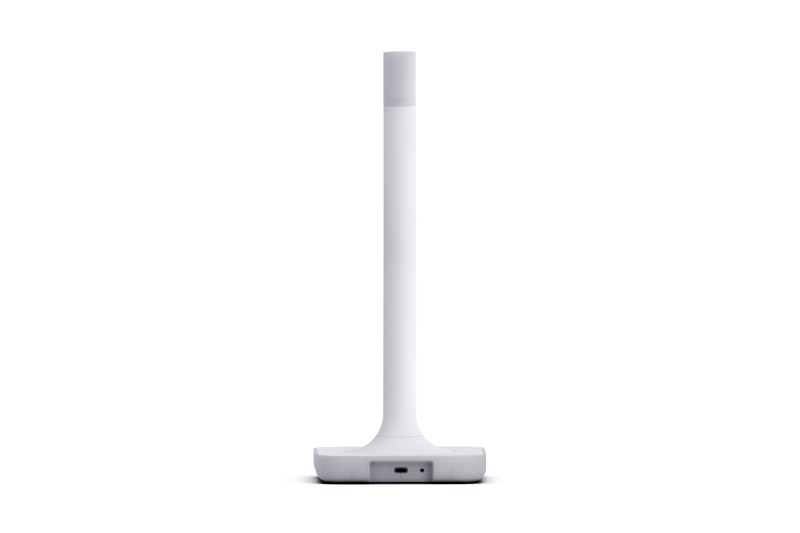
Device characteristics
- Home Assistant Connect ZWA-2 features an optimized, large antenna to reach devices where others can’t.
- Because Home Assistant Connect ZWA-2 can receive faint signals, communication is more reliable. This improves both network stability and battery life of end devices.
- Home Assistant Connect ZWA-2 supports both Z-Wave (mesh) and Z-Wave Long Range protocols via designated radio frequencies in all regions.
- Note that by default, the radio frequency of Home Assistant Connect ZWA-2 is set to EU Long Range. For more information, read the section about radio frequency and transmit power.
Key features
- Supported devices: Z-Wave 800 and older (including Z-Wave Plus and Plus V2), Z-Wave Long Range (only in EU and US).
- Supported features: Security 2 (S2), SmartStart, Over-the-Air (OTA) Firmware Updates, Over-the-Wire (OTW) firmware updates.
- Supported regions: All Z-Wave regions, including US, EU, and AU. Long Range support currently includes only the US and EU regions.
- Chips inside: Silicon Labs ZG23 (Z-Wave 800 series chip) and ESP32-S3 (USB-serial bridge).
About Z-Wave
- Z-Wave uses a lower radio frequency (~900 MHz) than Wi-Fi, Zigbee, or Thread. Lower frequencies tend to have better penetration through thick walls and will travel greater distances.
- Z-Wave stays out of the way of Wi-Fi and Bluetooth, meaning less congestion and interference.
- Z-Wave (mesh) and Z-Wave Long Range each have their own benefits and use cases.
- Z-Wave Long Range doesn’t support a mesh network but allows for larger deployments (thousands of devices) and better range, allowing more distant devices.
Related topics
Getting started
- Forming a new Z-Wave network with Home Assistant Connect ZWA-2 and Home Assistant
- Migrating an existing Z-Wave network to Home Assistant Connect ZWA-2
- Using Home Assistant Connect ZWA-2 without Home Assistant
- Overriding the radio frequency region
- About radio frequency and transmit power